Uganda’s deepening internet blackout leaves VPNs unable to connect
Proton VPN confirmed that a sharp drop in Uganda’s internet connectivity made its service unusable ahead of the election, following an initial 8,000% surge in sign-ups. Digital rights advocates warn that blocked roaming and satellite services leave few alternatives.
What We Know
VPNs have become unusable in Uganda as an internet shutdown tightened ahead of the election. Demand for privacy tools had initially surged: Proton VPN reported an 8,000% increase in sign-ups, with new users reaching 8,000 per hour on Tuesday.
Proton VPN General Manager David Peterson told TechRadar that connectivity fell sharply on Wednesday, preventing VPNs from working. He compared Uganda’s shutdown with those in Iran and Afghanistan, arguing that governments seeking to suppress opposition and avoid international scrutiny were moving beyond website bans and VPN restrictions to disconnecting the internet itself.
Why VPNs can no longer bypass the restrictions
On Tuesday, the Uganda Communications Commission (UCC) instructed internet service providers and mobile operators to suspend internet access. The restrictions affected social media, messaging, video streaming, and satellite internet connections.
VPN apps initially allowed some people to bypass restrictions, but the latest Cloudflare Radar data showed that internet access had become almost entirely unavailable.
Felicia Anthonio, #KeepItOn Global Campaign Manager at Access Now, described the situation as a complete blackout affecting millions. She explained that VPNs cannot function without an underlying internet connection.
Few alternatives remain
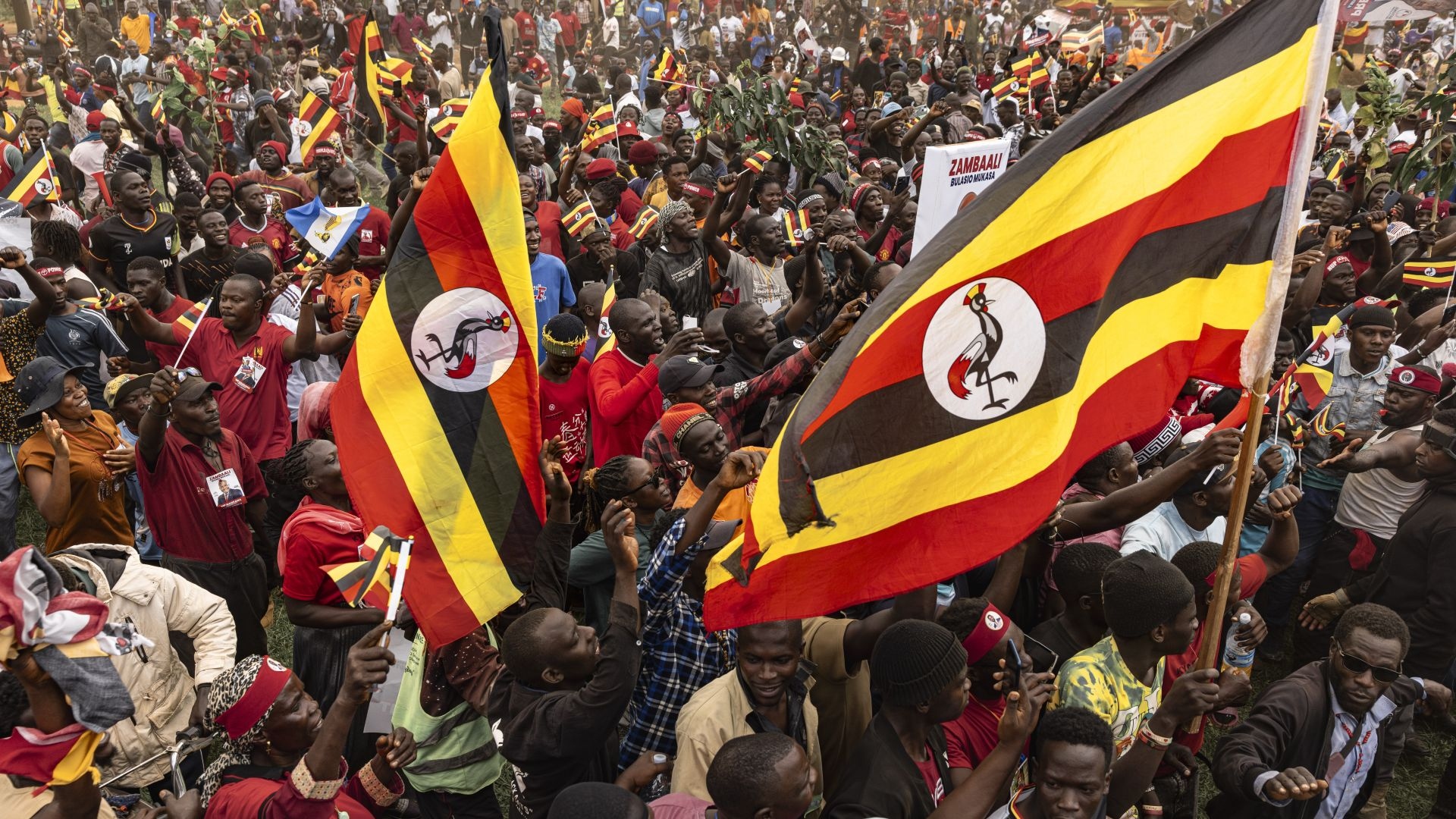
Anthonio said the shutdown was comprehensive in its scale, scope, and effects. Authorities had also blocked roaming and satellite connections, closing off routes often used to get around restrictions.
There are reports of people communicating through Bluetooth-based peer-to-peer mesh network apps such as Bitchat. However, Anthonio cautioned that these cannot replace open internet access.
Speaking to TechRadar, she condemned disconnecting the country just days before an anticipated election as a betrayal of democratic principles. She warned that it gives the incumbent an unfair advantage, silences opposition, and deprives voters of essential information. It also prevents journalists and election observers from reporting and monitoring effectively, while obstructing timely documentation of abuses by human rights organizations.
Anthonio urged citizens to record events and abuses offline when safe, so that evidence can be shared after connectivity returns.