
AT&T chief questions Starlink Mobile as carriers pursue satellite coverage for dead zones
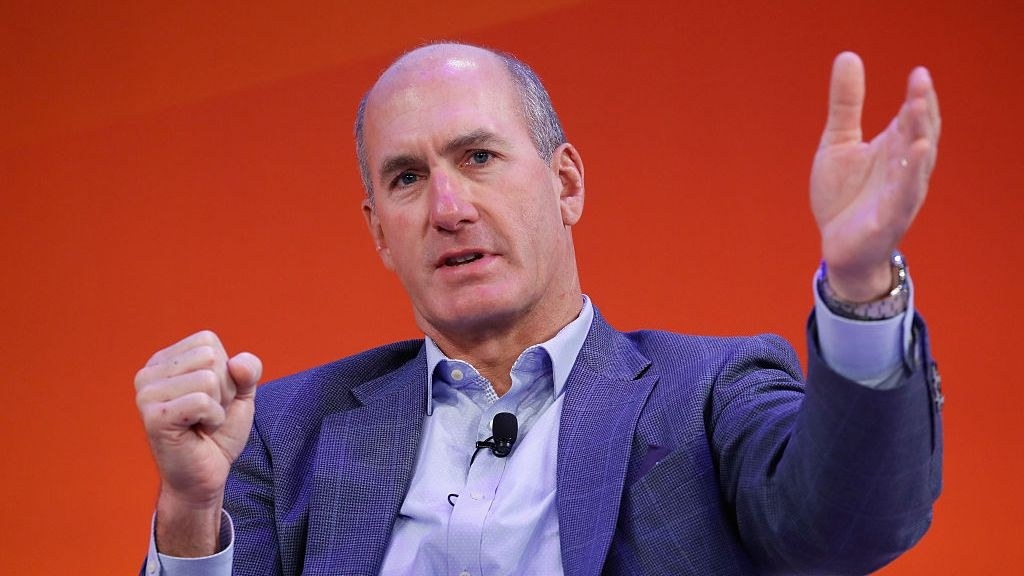
AT&T CEO John Stankey argues that Starlink's proposed mobile service cannot compete with fiber on speed and faces costly infrastructure hurdles. Analysts differ on its prospects, while AT&T, T-Mobile and Verizon have launched a satellite venture to address coverage gaps.
What We Know
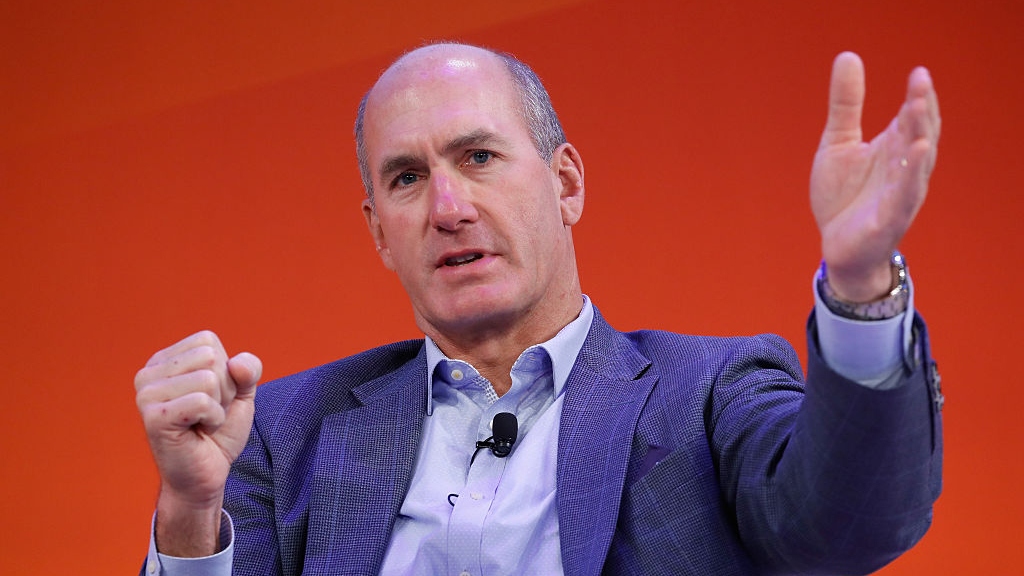
Starlink's proposed mobile carrier could compete with AT&T, T-Mobile and Verizon, potentially on a global scale. AT&T CEO John Stankey, however, doubts that Elon Musk's plan is workable, at least anytime soon.
Speaking to Axios, Stankey argued that heavy dependence on Starlink satellites rather than fiber makes the strategy unviable. He said fiber is three times faster than satellite connectivity and maintained that, even with an ideal decade of development, satellites would still not surpass it.
Starlink's proposal is not limited to satellites. The company has previously described plans to place small cellular base stations alongside Starlink dishes at homes and businesses, adding conventional network infrastructure.
Stankey questioned that approach as well, citing enormous costs and legal obstacles. In particular, he said transmitting cellular signals from someone's home requires their permission unless the law changes, and suggested there are numerous other reasons the model would not work effectively.
Analysts disagree on Starlink Mobile's prospects
Bernstein analyst Madison Rezaei also sees limits to the proposal. Rezaei said Starlink Mobile could address important needs in remote, rural, maritime and disaster settings, but remains far from replacing terrestrial carrier networks.
Alex Besen, CEO of the Besen Group, offered a more optimistic assessment in comments to Fierce Network. He expects conventional carriers to lose some consumer business to Starlink Mobile, although not necessarily a majority of that market.
Despite Stankey's skepticism, AT&T is pursuing satellite connectivity itself. Together with T-Mobile and Verizon, it recently established a joint venture intended to eliminate coverage dead zones using satellites.
Whatever happens to Starlink Mobile, the carriers' plans suggest an increasing role for a combination of masts, fiber and satellites in serving customers.

